Learn
Crystal Deodorant for Sensitive Skin: Is It Right for You?
If you have sensitive skin, finding a deodorant that works without causing irritation can feel like an endless search. Many conventional deodorants contain ingredients that trigger redness, itching, or discomfort — leaving sensitive skin sufferers caught between managing odour and managing reactions.
Crystal deodorant, made from potassium alum, is often recommended as a gentle alternative. But is it genuinely suitable for sensitive skin? This comprehensive guide examines the pros and cons, explains how the water-activated formula works, and outlines important cautions to consider.
Why sensitive skin reacts to deodorants
Before assessing whether crystal deodorant is suitable, it helps to understand why sensitive skin reacts to conventional deodorants in the first place. Several common ingredients can trigger irritation:
- Fragrances — Synthetic fragrances are among the most common irritants. They can cause irritation, redness, and itching, particularly in the delicate underarm area.
- Baking soda (sodium bicarbonate) — Popular in natural deodorants, baking soda has a high pH that can disrupt the skin's acid mantle, causing irritation and discomfort in some people.
- Alcohol — Denatured alcohol can dry out skin and cause stinging, especially on freshly shaved or broken skin.
- Essential oils — Despite being "natural," essential oils like tea tree, lavender, or citrus can be potent irritants for sensitive skin.
- Propylene glycol — This common ingredient helps products glide on smoothly but can cause allergic reactions in some people.
- Aluminium chlorohydrate — The active ingredient in antiperspirants can irritate some users, particularly those with very sensitive skin or when applied to broken skin.
For people with sensitive skin, the challenge is finding a product that addresses odour without triggering these reactions.
How crystal deodorant works
Crystal deodorant is made from a single mineral ingredient: potassium alum (potassium aluminium sulphate). Unlike conventional deodorants that work through multiple active ingredients, crystal deodorant takes a fundamentally different approach.
When applied to damp skin, potassium alum leaves a thin mineral layer on the skin's surface. This layer helps create an environment that is less hospitable to the bacteria that cause body odour. The key distinction is this:
Deodorant vs Antiperspirant
Crystal deodorant is a deodorant, not an antiperspirant. It does not block sweat glands or prevent perspiration. You will still sweat naturally — the crystal simply helps manage the odour that occurs when sweat meets bacteria on the skin.
The molecular structure of potassium alum is also relevant. The molecules are relatively large compared to the aluminium chlorohydrate used in antiperspirants. These larger molecules remain on the skin's surface rather than being absorbed, which is why some people with sensitivities to conventional products find crystal deodorant more tolerable.
Water activation: How to use crystal deodorant
Crystal deodorant is water activated. This means the crystal must be wet before application — either by running it under tap water or applying it to damp skin after showering.
Here's the proper application method:
- Step 1: Wet the crystal with tap water. Just a few drops are sufficient — you don't need to soak it.
- Step 2: Apply to clean skin. Glide the wet crystal over your underarms (or other areas where you want odour protection).
- Step 3: Allow to dry. The thin mineral layer left behind is invisible and leaves no residue on clothing.
Important for sensitive skin: Always apply to clean, intact skin. Avoid applying immediately after shaving — wait at least a few hours for any micro-abrasions to heal. The mineral can sting on broken or irritated skin.
Pros for sensitive skin users
Crystal deodorant offers several potential advantages for those with sensitive skin:
Single ingredient formula
With just one ingredient (potassium alum), there are fewer potential irritants to react to. You know exactly what you're putting on your skin.
Fragrance free
No synthetic fragrances or essential oils means no fragrance-related irritation. The crystal is completely odourless.
Baking soda free
Unlike many "natural" deodorants, crystal deodorant contains no baking soda — one of the most common causes of irritation in sensitive users.
No alcohol or propylene glycol
These common irritants found in roll-ons and sprays are absent from crystal deodorant.
No residue or white marks
The crystal leaves an invisible layer — no sticky residue that could trap bacteria or irritate skin throughout the day.
Allows natural perspiration
By not blocking sweat glands, crystal deodorant allows skin to function naturally, which some dermatologists consider gentler for sensitive skin.
Centuries of traditional use
Potassium alum has been used safely for thousands of years across many cultures, providing a long track record of use on human skin.
Cons and cautions for sensitive skin
While crystal deodorant may be gentler than many alternatives, it's not without potential drawbacks for sensitive skin users. Here are important cautions to consider:
Can sting on broken skin
Potassium alum has astringent properties. If applied to cuts, nicks from shaving, or irritated skin, it can cause stinging or burning. Always apply to intact, healed skin only.
Not suitable immediately after shaving
Shaving creates micro-abrasions on the skin. Applying crystal deodorant immediately after can cause discomfort. Wait several hours — or ideally, shave in the evening and apply crystal deodorant the next morning.
Contains aluminium (potassium aluminium sulphate)
While different from the aluminium chlorohydrate in antiperspirants, potassium alum does contain aluminium. If you specifically wish to avoid all aluminium compounds, crystal deodorant is not aluminium-free.
May not suit everyone
While many sensitive skin users find crystal deodorant works well, individual reactions vary. Some people may still experience irritation. A patch test is always recommended.
Requires proper application
Crystal deodorant must be applied to wet, clean skin for best results. Incorrect application may reduce effectiveness, leading users to over-apply or try alternatives that could irritate.
Won't reduce sweating
If excessive sweating is your primary concern, crystal deodorant will not help — it only addresses odour. For hyperhidrosis or heavy sweating, you may need a different solution.
Who should be cautious or avoid crystal deodorant
While crystal deodorant works well for many people with sensitive skin, certain individuals should exercise extra caution or consider alternatives:
- People with broken or irritated skin — Wait until skin has completely settled before using crystal deodorant.
- Those with a diagnosed skin condition in the underarm area — Any product may cause irritation on affected skin. Speak to your doctor before use.
- People with known alum allergies — Though rare, some individuals are allergic to alum compounds. If you've reacted to alum before, avoid crystal deodorant.
- Immediately post-waxing or laser treatment — Skin is sensitised after hair removal treatments. Wait at least 24-48 hours before applying.
- Those seeking aluminium-free products — Despite being different from antiperspirant aluminium, potassium alum contains aluminium. If you want to avoid all aluminium, look for alternatives.
Tips for sensitive skin users
If you decide to try crystal deodorant, these tips can help ensure the best experience for sensitive skin:
1. Do a patch test first
Apply a small amount to the inside of your wrist or elbow and wait 24-48 hours. If no reaction occurs, proceed to underarm use.
2. Time your shaving
Shave in the evening and apply crystal deodorant the following morning. This gives skin time to heal from any micro-abrasions.
3. Apply to clean, wet skin
The crystal works best when applied to freshly washed, damp skin. Applying to dry skin reduces effectiveness.
4. Use gentle pressure
You don't need to press hard. A few light strokes are sufficient to leave the mineral layer.
5. Keep the crystal clean
Rinse and dry your crystal after each use. This prevents bacterial build-up on the crystal surface.
6. Give it time
If transitioning from conventional deodorant, allow 2-4 weeks for your body to adjust. Some people experience a "detox" period as their skin recalibrates.
The verdict: Is crystal deodorant suitable for sensitive skin?
For many people with sensitive skin, crystal deodorant offers a genuinely gentler alternative to conventional deodorants. Its single-ingredient formula eliminates common irritants like fragrances, baking soda, alcohol, and propylene glycol — all of which frequently cause reactions in sensitive users.
However, it's not universally suitable. The key caveats are:
- Never apply to broken, irritated, or freshly shaved skin
- It contains potassium aluminium sulphate (a form of aluminium)
- Individual reactions vary — always patch test first
- It won't reduce sweating, only odour
If your sensitive skin issues stem from reactions to fragrances, baking soda, or the multiple ingredients in conventional deodorants, crystal deodorant is worth trying. Its simplicity — one mineral, water-activated, fragrance-free — makes it easier to identify whether it works for your skin.
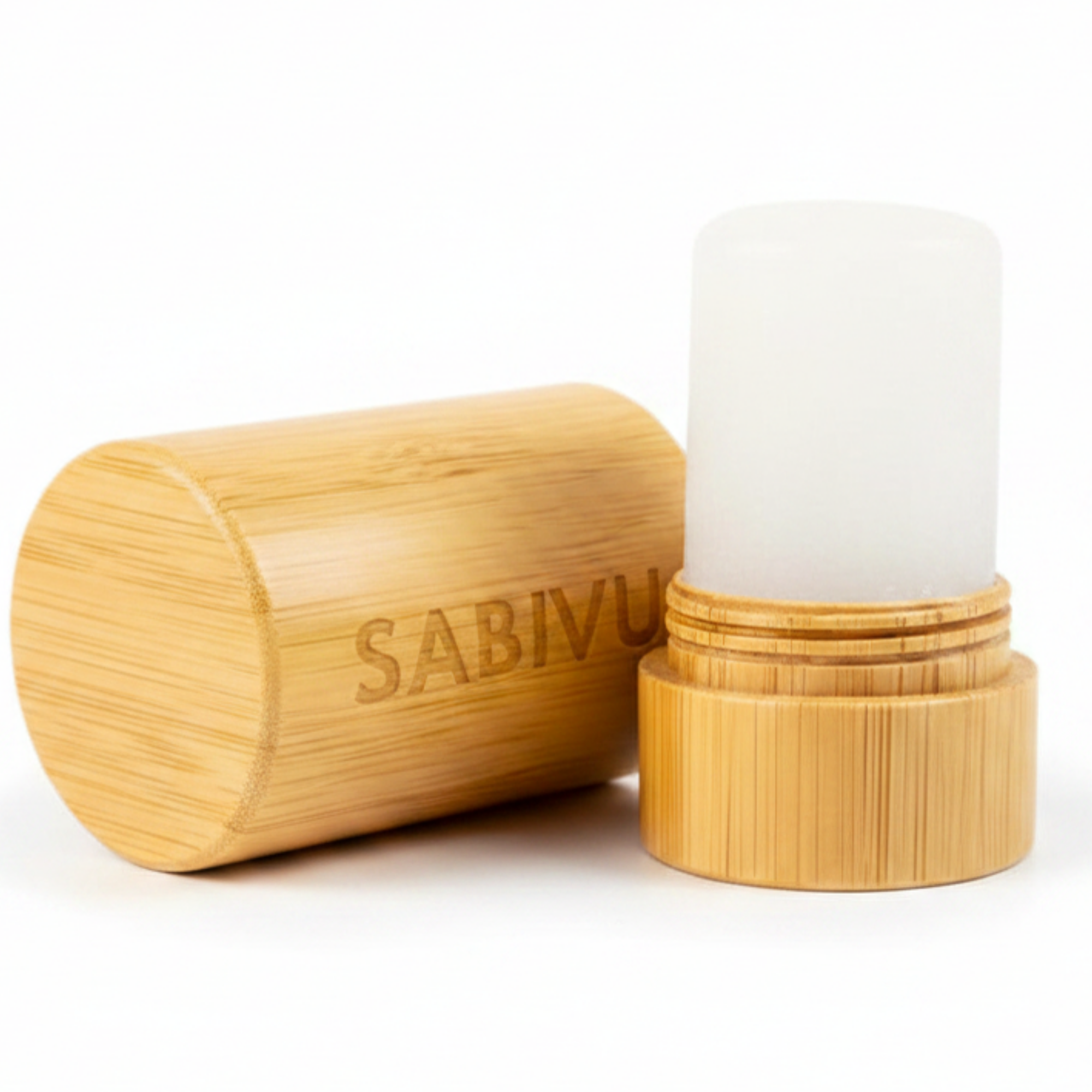
Sabivu is a potassium alum crystal deodorant housed in a bamboo case, designed for people who want a simpler, cleaner approach to odour management. For sensitive skin users who have struggled with conventional options, it may offer the gentle, effective solution you've been looking for.
Remember
Everyone's skin is different. What works beautifully for one person may not suit another. If you have persistent skin concerns or severe sensitivity, consult a dermatologist before trying new products.
Shop Sabivu
Try the single-ingredient deodorant
One ingredient. Zero fragrance. Designed for sensitive skin.
Buy Options